Adjudicate
Now

Payment Claims and Adjudication Applications Prepared by Experienced Adjudicators

Adjudication, engineering and quantity surveying expertise for construction payment disputes.

01 / HOW WE HELP

We start by reviewing your payment claim and entitlements.

Many payment claims need further work before they are ready for adjudication.

Costs are sometimes claimed under extension-of-time provisions that provide extra time but no right to compensation. The work or cost may instead support a variation or another contractual payment claim. We also identify instructions and changes to the work that may give rise to payment entitlements which have been overlooked.

Sometimes the better course is to take a step back and prepare the payment claim properly. We assess your contract, instructions, valuation and supporting records, then prepare a claim that puts you in the strongest possible position before adjudication.

After receiving the payment schedule, we review the reasons for withholding payment and prepare the adjudication application to pursue the disputed amount.

01

Unpaid construction work

You’ve completed the work, but payment hasn’t followed. We review the contract, invoices and payment history, then explain your options.

Let’s look at your claim
02

Payment claims & schedules

We prepare payment claims and examine the reasons given for withholding payment. The contract, calculation and supporting evidence are brought together in one clear case.

Discuss your payment claim
03

Adjudication

We prepare claimant adjudication applications, written submissions and indexed evidence. Every disputed amount is tied to its contractual basis, calculation and supporting documents.

Discuss adjudication
04

Disputed variations & valuations

When the dispute is about what was done or what it is worth, the technical detail matters. We examine scope, variations and valuation alongside the contract.

Talk through the dispute
05

Extensions of time

We prepare extension of time claims supported by the contract, notices, programme analysis and project records. The submission connects each delay event to its effect on the completion date.

Discuss your extension of time
06

Acceleration

We prepare acceleration proposals and claims, connecting the revised programme, additional resources and productivity effects to a clear cost calculation.

Discuss acceleration
07

Defending liquidated damages claims

We examine the completion date, extensions of time, delay evidence and the contractual basis for the amount claimed. We prepare a reasoned response to disputed liquidated damages.

Discuss liquidated damages
08

Defending backcharges

We challenge disputed backcharges by examining the alleged work or loss, contractual entitlement, notices, records and calculation. Each deduction is addressed against the supporting evidence.

Discuss disputed backcharges
EXPERIENCE BEYOND THE DOCUMENTS

Chances are, we’ve dealt with a dispute like yours—on site or in practice.

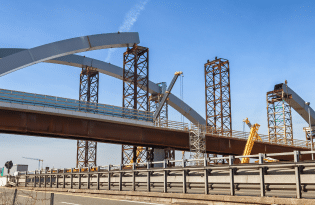
Bridge structure under construction.
01 / CIVIL & INFRASTRUCTURE

Understand the work.

Roads, bridges and civil works. Scope changes, site conditions and the records behind the claim.

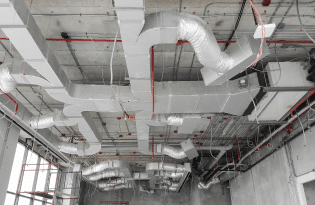
Commercial building construction.
02 / BUILDING & SERVICES

Connect the detail.

Buildings and mechanical, electrical and plumbing services. Drawings, quantities and contract requirements.

Energy infrastructure and renewable generation.
03 / ENERGY & INDUSTRY

Make the case clear.

Energy and industrial projects. Technical issues explained through clear evidence and a checked valuation.

What will it cost to assess your claim?

No charge for the initial assessment

Every claim is assessed before we take it on. Send us the contract, the payment claim and the payment schedule. An experienced adjudicator will assess the strength of your claim and tell you whether it is worth pursuing. There is no charge for the assessment.

How we keep your preparation fee down

Our director is a Chartered Engineer, a Chartered Quantity Surveyor, Planner, Forensic Schedule Analyst, construction lawyer and a registered adjudicator. We can check the drawings, value the work and assess your entitlement under the contract in one in-house review. That keeps your fee down by reducing the need to brief separate specialists to work through the same records.

A fixed quote before any work starts

If we take your claim on, you receive a fixed quote in writing. You know the cost before you commit.

Your engagement with Adjudicate Now covers assessment and preparation of your payment claim or adjudication application. We do not act as your lawyers. Legal advice or representation requires a separate engagement.

Request an assessment

What the fee depends on

No two claims cost the same. The fee reflects four things:

  • The complexity of the claim
  • The state of your payment claim
  • The information and records available
  • The strength of the claim

A well-documented claim may be adjudicated immediately. We will tell you in the assessment if anything is missing, how to close the gaps and if it needs resubmission in the next payment cycle or develop a recovery strategy if it is final.

What recent applications have cost

Fees have ranged from $5,000 on a $50,000 claim to six figures on multi-million-dollar payment claims and adjudications prepared over weeks or months.

Separate costs

The adjudication application fee and the adjudicator's fees are charged by others and are not part of our quote.

FROM THE CONTRACT TO THE RESULT

Practical insight.
Project experience.

Four featured examples are shown below. Explore the full collection of case studies.

View all case studies

Construction programme, cost reports and calculator used for delay assessment — illustrative image
Adjudication outcome

Suspension costs. A supported valuation.

We helped prepare the contractor’s suspension claim. The adjudicator valued suspension costs at $186,900.85 including GST, accepted the extension of time and rejected liquidated damages.

Read case study
Act and time limits

For a current payment claim, select the project location to see the filing period.

Queensland

Building Industry Fairness (Security of Payment) Act 2017 (Qld) · ss 76 and 79(2)(b)

  • Lower scheduled amount. Apply within 30 business days after receiving the payment schedule.
  • Scheduled amount unpaid. Apply within 20 business days after the payment due date.
  • No schedule and the claim was not paid in full. Apply within 30 business days after the later of the payment due date and the last day for giving a schedule. The schedule period is 15 business days after the respondent receives the claim, or the shorter period in the contract.

Read the Act

New South Wales

Building and Construction Industry Security of Payment Act 1999 (NSW) · s 17(2), (3)(c)–(e)

  • Lower scheduled amount. Apply within 10 business days after receiving the payment schedule.
  • Scheduled amount unpaid. Apply within 20 business days after the payment due date.
  • No schedule and the claim was not paid in full. Serve the notice of intention to apply within 20 business days after the payment due date. Allow 5 business days after the respondent receives the notice to provide a schedule, then apply within 10 business days after that period ends.

Read the Act

Victoria

Building and Construction Industry Security of Payment Act 2002 (Vic) · s 18(2), (3)(c)–(e)

  • Lower scheduled amount. Apply within 10 business days after receiving the payment schedule.
  • Scheduled amount unpaid. Apply within 10 business days after the payment due date.
  • No schedule and the claim was not paid in full. Give the notice of intention within 10 business days after the payment due date. Allow 5 business days from receipt for a schedule, then lodge within 5 business days after that period ends.
  • These periods are for payment claims under the amended scheme from 15 April 2026. Earlier claims can fall under the transitional rules.

Read the Act

Western Australia

Building and Construction Industry (Security of Payment) Act 2021 (WA) · s 28(1)–(4)

  • Contracts entered into on or after 1 August 2022. Apply within 20 business days after first becoming entitled to apply. A schedule for less than the amount claimed and failure to pay by the due date are distinct triggers.
  • No schedule and payment is overdue. Give written notice of intention within 20 business days after the payment due date. Allow 5 business days from receipt for a schedule before using the no-schedule route.
  • For contracts entered into before 1 August 2022, the Construction Contracts (Former Provisions) Act 2004 (WA), s 26(1), ordinarily requires an application within 90 business days after the payment dispute arises.

Read the Act

Northern Territory

Construction Contracts (Security of Payments) Act 2004 (NT) · ss 8, 10A and 28(1), (3)
  • For a payment dispute under Part 3, prepare and serve the application on the other contracting parties and the appropriate adjudicator or prescribed appointer within 65 working days after the dispute arises. The count starts the next day.
  • Identify the dispute under s 8 from the claim, the contract and the payment or rejection record. A qualifying high-value contract may provide a different adjudication process under s 10A.

Read the Act

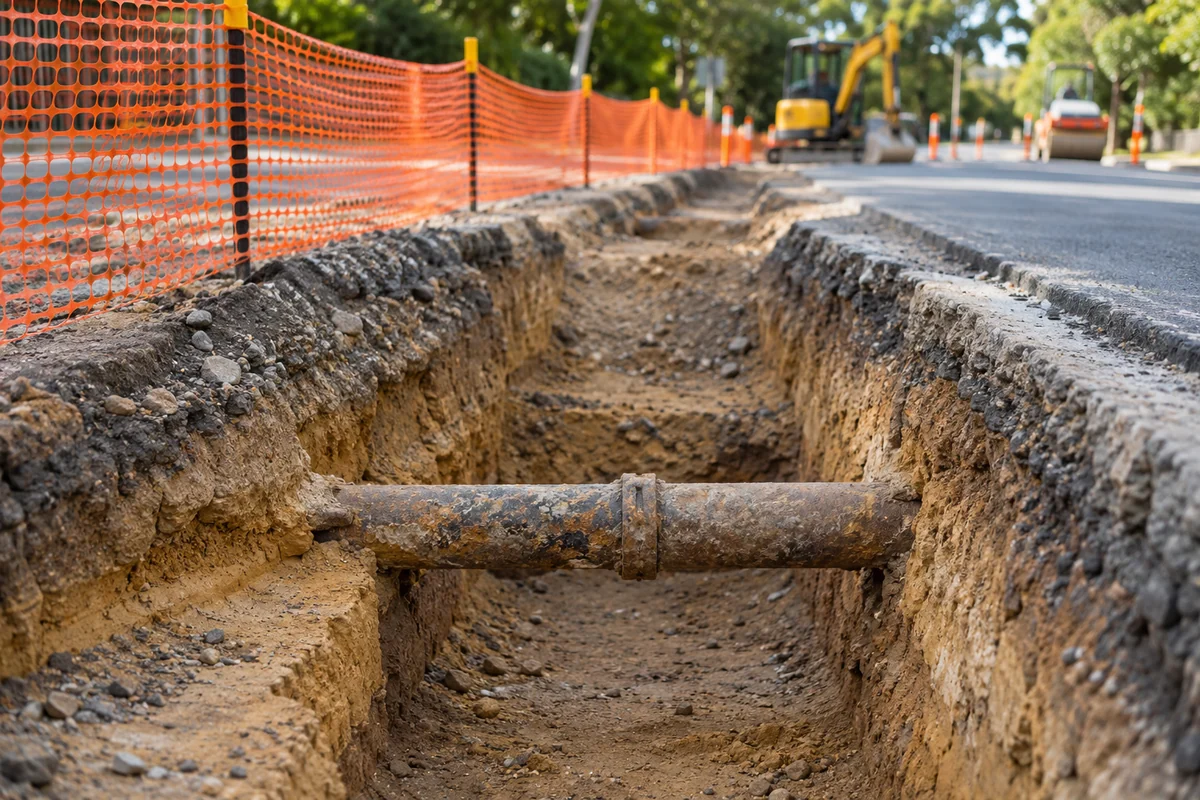
An exposed utility pipe crossing a roadworks trench — illustrative image
Payment recovered

An unforeseen utility. A disputed variation.

We found the subcontractor’s notice from the day the pipe was discovered. The subcontractor received payment for the disputed variation.

Read case study
Act and time limits

The contract required notice within seven days. The subcontractor emailed on the day it found the pipe. For a statutory claim on your project, select its location below.

Queensland

Building Industry Fairness (Security of Payment) Act 2017 (Qld) · ss 76 and 79(2)(b)

  • Lower scheduled amount. Apply within 30 business days after receiving the payment schedule.
  • Scheduled amount unpaid. Apply within 20 business days after the payment due date.
  • No schedule and the claim was not paid in full. Apply within 30 business days after the later of the payment due date and the last day for giving a schedule. The schedule period is 15 business days after the respondent receives the claim, or the shorter period in the contract.

Read the Act

New South Wales

Building and Construction Industry Security of Payment Act 1999 (NSW) · s 17(2), (3)(c)–(e)

  • Lower scheduled amount. Apply within 10 business days after receiving the payment schedule.
  • Scheduled amount unpaid. Apply within 20 business days after the payment due date.
  • No schedule and the claim was not paid in full. Serve the notice of intention to apply within 20 business days after the payment due date. Allow 5 business days after the respondent receives the notice to provide a schedule, then apply within 10 business days after that period ends.

Read the Act

Victoria

Building and Construction Industry Security of Payment Act 2002 (Vic) · s 18(2), (3)(c)–(e)

  • Lower scheduled amount. Apply within 10 business days after receiving the payment schedule.
  • Scheduled amount unpaid. Apply within 10 business days after the payment due date.
  • No schedule and the claim was not paid in full. Give the notice of intention within 10 business days after the payment due date. Allow 5 business days from receipt for a schedule, then lodge within 5 business days after that period ends.
  • These periods are for payment claims under the amended scheme from 15 April 2026. Earlier claims can fall under the transitional rules.

Read the Act

Western Australia

Building and Construction Industry (Security of Payment) Act 2021 (WA) · s 28(1)–(4)

  • Contracts entered into on or after 1 August 2022. Apply within 20 business days after first becoming entitled to apply. A schedule for less than the amount claimed and failure to pay by the due date are distinct triggers.
  • No schedule and payment is overdue. Give written notice of intention within 20 business days after the payment due date. Allow 5 business days from receipt for a schedule before using the no-schedule route.
  • For contracts entered into before 1 August 2022, the Construction Contracts (Former Provisions) Act 2004 (WA), s 26(1), ordinarily requires an application within 90 business days after the payment dispute arises.

Read the Act

Northern Territory

Construction Contracts (Security of Payments) Act 2004 (NT) · ss 8, 10A and 28(1), (3)
  • For a payment dispute under Part 3, prepare and serve the application on the other contracting parties and the appropriate adjudicator or prescribed appointer within 65 working days after the dispute arises. The count starts the next day.
  • Identify the dispute under s 8 from the claim, the contract and the payment or rejection record. A qualifying high-value contract may provide a different adjudication process under s 10A.

Read the Act

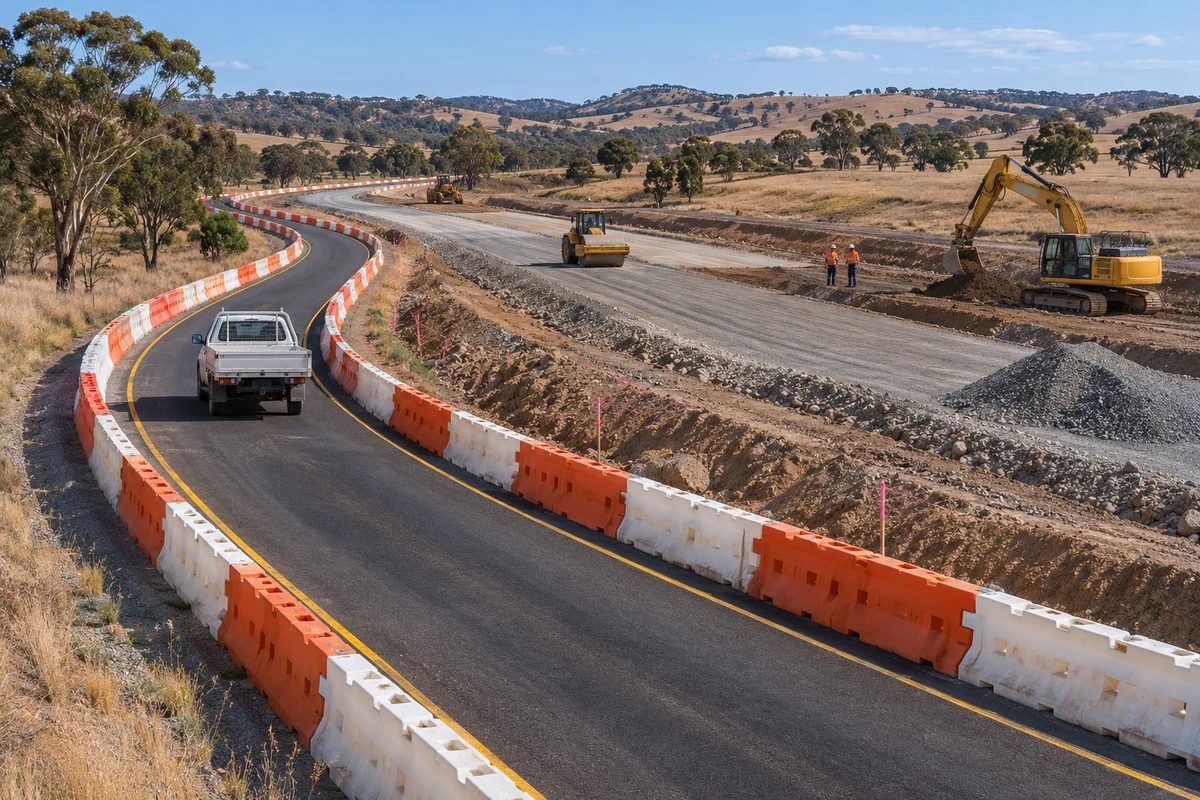
A temporary road detour beside highway reconstruction works — illustrative image
Payment recovered

Eight detours. One clear pricing basis.

We identified which pricing document took priority. The subcontractor recovered the cost of all eight detours, including the two beyond its tender allowance.

Read case study
Act and time limits

Recovery turned on the priority of the schedule of rates. For a statutory claim, select the location of your project.

Queensland

Building Industry Fairness (Security of Payment) Act 2017 (Qld) · ss 76 and 79(2)(b)

  • Lower scheduled amount. Apply within 30 business days after receiving the payment schedule.
  • Scheduled amount unpaid. Apply within 20 business days after the payment due date.
  • No schedule and the claim was not paid in full. Apply within 30 business days after the later of the payment due date and the last day for giving a schedule. The schedule period is 15 business days after the respondent receives the claim, or the shorter period in the contract.

Read the Act

New South Wales

Building and Construction Industry Security of Payment Act 1999 (NSW) · s 17(2), (3)(c)–(e)

  • Lower scheduled amount. Apply within 10 business days after receiving the payment schedule.
  • Scheduled amount unpaid. Apply within 20 business days after the payment due date.
  • No schedule and the claim was not paid in full. Serve the notice of intention to apply within 20 business days after the payment due date. Allow 5 business days after the respondent receives the notice to provide a schedule, then apply within 10 business days after that period ends.

Read the Act

Victoria

Building and Construction Industry Security of Payment Act 2002 (Vic) · s 18(2), (3)(c)–(e)

  • Lower scheduled amount. Apply within 10 business days after receiving the payment schedule.
  • Scheduled amount unpaid. Apply within 10 business days after the payment due date.
  • No schedule and the claim was not paid in full. Give the notice of intention within 10 business days after the payment due date. Allow 5 business days from receipt for a schedule, then lodge within 5 business days after that period ends.
  • These periods are for payment claims under the amended scheme from 15 April 2026. Earlier claims can fall under the transitional rules.

Read the Act

Western Australia

Building and Construction Industry (Security of Payment) Act 2021 (WA) · s 28(1)–(4)

  • Contracts entered into on or after 1 August 2022. Apply within 20 business days after first becoming entitled to apply. A schedule for less than the amount claimed and failure to pay by the due date are distinct triggers.
  • No schedule and payment is overdue. Give written notice of intention within 20 business days after the payment due date. Allow 5 business days from receipt for a schedule before using the no-schedule route.
  • For contracts entered into before 1 August 2022, the Construction Contracts (Former Provisions) Act 2004 (WA), s 26(1), ordinarily requires an application within 90 business days after the payment dispute arises.

Read the Act

Northern Territory

Construction Contracts (Security of Payments) Act 2004 (NT) · ss 8, 10A and 28(1), (3)

  • For a payment dispute under Part 3, prepare and serve the application on the other contracting parties and the appropriate adjudicator or prescribed appointer within 65 working days after the dispute arises. The count starts the next day.
  • Identify the dispute under s 8 from the claim, the contract and the payment or rejection record. A qualifying high-value contract may provide a different adjudication process under s 10A.

Read the Act

Earthmoving equipment working across a remote red-earth construction site — illustrative image
Proposal prepared

A faster programme. A costed proposal. (NT)

We helped the contractor prepare an acceleration offer of approximately $1.04 million.

Read case study
Act and time limits

The NT engagement produced an acceleration offer. Its preparation did not start an adjudication period. For a subsequent payment dispute in the Territory, the Act sets the following timetable.

Construction Contracts (Security of Payments) Act 2004 (NT) · ss 8, 10A and 28(1), (3)

  • For a payment dispute under Part 3, prepare and serve the application on the other contracting parties and the appropriate adjudicator or prescribed appointer within 65 working days after the dispute arises. The count starts the next day.
  • Identify the dispute under s 8 from the claim, the contract and the payment or rejection record. A qualifying high-value contract may provide a different adjudication process under s 10A.

Read the Act

View all case studies
YOUR PROJECT. YOUR STATE.

Start where
the work happened.

Tell us where your project is located. We review your contract, payment documents and service dates before recommending the next step.

02 / A CLEAR WAY FORWARD

From document review
to a prepared application.

Start a conversation
01

Tell us what happened.

Who owes you, what work you did, and when payment was due. We start with the essentials.

02

Understand your options.

We review the key documents and explain the available paths, likely costs and next steps.

03

Move your claim forward.

Once you agree the scope and fees, we help you take the next step towards payment.

Project planner reviewing a construction programme on a large Gantt chart.
03 / OUR EXPERTISE

We understand
the contract
and construction.

A construction payment dispute is about more than an unpaid invoice. It can turn on scope, quantities, variations and the work actually delivered.

Albert Merolla is a registered Queensland adjudicator, Chartered Engineer and Chartered Quantity Surveyor. He brings the contract, programme, site records and valuation together in your submission.

About Albert Merolla
04 / BEFORE WE TALK

Your questions,
answered.

What should I have ready?

Start with your contract or purchase order, the unpaid invoices, any payment claim or response, and the key emails. If something is missing, tell us what you have.

What will it cost?

The initial assessment is free. If we take your claim on, we give you a fixed quote in writing before you commit. See what the fee depends on.

What if the matter is urgent?

Email [email protected] with the project location and the relevant dates. Put any approaching deadline in the subject line. Sending an enquiry does not confirm that we are acting for you.

Do you appoint the adjudicator?

We prepare claims and applications for clients. Our preparation service is separate from the independent adjudicator appointed to determine your application. We do not operate as an adjudication bureau.

BRISBANE / SYDNEY / MELBOURNE / PERTH

Find our
contact address.

Adjudication Lawyers Pty Ltd trading as Adjudicate Now. Contact us to arrange a meeting.

All locations →

Brisbane

Level 14, 167 Eagle Street
Brisbane QLD 4000
07 3041 4042View location →

Sydney

Angel Place, Level 17, 123 Pitt Street
Sydney NSW 2000
02 8001 6152View location →

Melbourne

Level 14, 333 Collins Street
Melbourne VIC 3000
03 8618 6803View location →

Perth

Level 25, 108 St Georges Terrace
Perth WA 6000
08 6444 1709View location →
LET’S TALK ABOUT YOUR CLAIM

Discuss your
payment claim.

Tell us a little about the payment issue.
We’ll take it from there.

[email protected]
Timing matters. Include any approaching deadline in your email.

Discuss your claim

Start with the essentials.

Please keep sensitive documents for our first conversation. Your enquiry is sent directly to our team. Read our privacy information.

YOUR INFORMATION

Enquiry privacy

Your enquiry is processed through our website hosting and email services and sent to our team so we can respond. Please avoid sending confidential documents in this initial form.

We use Cloudflare Turnstile to help prevent spam. Campaign information may be included with your enquiry to identify how you found us. Google Ads measurement runs only if you allow it through Advertising preferences. Contact and claim details are not sent to Google. Read our privacy information.

You can contact us at [email protected].