

Adjudicate
Now
CASE STUDIES / PROJECT EXPERIENCE

10 case studies.
Project experience.

Our case studies draw on the experience of our director, Albert Merolla. They show how we helped contractors recover payment, prepared delay claims and managed industrial projects.

FEATURED / ADJUDICATION$186,900.85

Suspension costs valued in adjudication, including GST. Extension of time accepted; liquidated damages claim rejected.

Explore the case

Adjudication applications we have prepared

  1. Ben Hunter Pty Ltd v McConnell Dowell Constructors (Aust) Pty Ltd
  2. Jayden Opperman trading as J & K O’s Construction v Trott Family Grazing
  3. PHD Interiors Pty Ltd v Box & Co Pty Ltd
  4. Whatareya Pty Ltd trading as Diggamen Civil Contracting v Costojic Pty Ltd
  5. PHD Interiors Pty Ltd v Stokes Wheeler Pty Ltd
  6. Rhythm Interior Walls and Ceilings Pty Ltd v Vaughan Constructions (QLD) Pty Ltd
  7. DC Fire Protection Pty Ltd v Interfire Systems Australia Pty Ltd
  8. Comus Plumbing and Civil Pty Ltd v HCA Queensland Pty Ltd
  9. MC Crisp & T Reihana trading as TC Wall Installers v Pyramid Constructions (WA) Pty Ltd (North Coogee)
  10. MC Crisp & T Reihana trading as TC Wall Installers v Pyramid Constructions (WA) Pty Ltd (Midland)
  11. Aurum Contracting Pty Ltd v Durack Civil Pty Ltd
  12. Fourth Dimension AU Pty Ltd as trustee for the BD Hope Unit Trust v Platform Constructions Pty Ltd
  13. Coral Sea Roofing Pty Ltd v I.C.M. Construction (QLD) Pty Ltd
  14. Olcon Concrete & Construction Pty Ltd v Baguley Build Pty Ltd
  15. RCS Telecommunications Pty Ltd v Honeywell Limited
  16. Technarch Pty Ltd v Roberts Co (WA) Pty Ltd
  17. JCE Civil Pty Ltd v K & K Industries (Aust) Pty Ltd
  18. Guardian Doors Pty Ltd v Arbon Equipment Pty Ltd
  19. Guardian Doors Pty Ltd v Impact Build WA Pty Ltd
  20. DGE Electrical Services Pty Ltd v Unita (QLD) Pty Ltd
  21. Top End Civil Pty Ltd v Wasco (Australia) Pty Ltd
  22. Civil Engineering Assignments Pty Ltd as trustee for the Family Trust v Level 5 Design Pty Ltd
  23. Command Concrete Pumping Pty Ltd v Ashbridge Construction Pty Ltd
  24. Steel Force Steel Fixing QLD Pty Ltd v LTS Mining & Civil Pty Ltd
  25. Tas Tiling Contractors Pty Ltd v Chroma Group Pty Ltd
  26. Top End Civil Pty Ltd v Lukkana Pty Ltd
  27. Xpert Steel Solution Pty Ltd trading as X Steel v Bugardi Contracting Pty Ltd
  28. Builderwest Pty Ltd v The Owners of Parklane Court Strata Plan 7
  29. Sanning Pty Ltd v ADCO Constructions Pty Ltd

Adjudication decisions made by our director

  1. Paige Developments Pty Ltd as trustee for the Paige Family Trust v Allconstruct Pty Ltd
  2. Sky Unicorn Pty Ltd v Mu Tea Pty Ltd
  3. ProResponse Building Services Pty Ltd v T&T Corporation Pty Ltd
  4. Ally Building Solutions Pty Ltd v Goldberg Construction Pty Ltd
  5. Steadfast Constructions (QLD) Pty Ltd trading as Raise My House v Dennis Miorandi
  6. JJ Ryan Consulting Pty Ltd v Racing Queensland Board
  7. Brett Anthony Day and Emily Hall trading as Hi-Cal Bricklaying v Procon Developments (Australia) Pty Ltd
  8. Attain Civil Pty Ltd v Insite Construction Services Pty Ltd
  9. EPK Roofing Pty Ltd v Space FM Services Pty Ltd
  10. ACN 623614013 Pty Ltd trading as RKC Poles Group v Chilligo Pty Ltd as trustee for the Atkinson Family Trust

Images are AI-generated illustrations.

10 case studies

Construction programme, cost reports and calculator used for delay assessment — illustrative imageAdjudication outcome

Time & delay

Suspension costs. A supported valuation.

We helped prepare the contractor’s suspension claim. The adjudicator valued suspension costs at $186,900.85 including GST, accepted the extension of time and rejected liquidated damages.

Read case study
Act and time limits

For a current payment claim, select the project location to see the filing period.

Queensland

Building Industry Fairness (Security of Payment) Act 2017 (Qld) · ss 76 and 79(2)(b)

  • Lower scheduled amount. Apply within 30 business days after receiving the payment schedule.
  • Scheduled amount unpaid. Apply within 20 business days after the payment due date.
  • No schedule and the claim was not paid in full. Apply within 30 business days after the later of the payment due date and the last day for giving a schedule. The schedule period is 15 business days after the respondent receives the claim, or the shorter period in the contract.

Read the Act

New South Wales

Building and Construction Industry Security of Payment Act 1999 (NSW) · s 17(2), (3)(c)–(e)

  • Lower scheduled amount. Apply within 10 business days after receiving the payment schedule.
  • Scheduled amount unpaid. Apply within 20 business days after the payment due date.
  • No schedule and the claim was not paid in full. Serve the notice of intention to apply within 20 business days after the payment due date. Allow 5 business days after the respondent receives the notice to provide a schedule, then apply within 10 business days after that period ends.

Read the Act

Victoria

Building and Construction Industry Security of Payment Act 2002 (Vic) · s 18(2), (3)(c)–(e)

  • Lower scheduled amount. Apply within 10 business days after receiving the payment schedule.
  • Scheduled amount unpaid. Apply within 10 business days after the payment due date.
  • No schedule and the claim was not paid in full. Give the notice of intention within 10 business days after the payment due date. Allow 5 business days from receipt for a schedule, then lodge within 5 business days after that period ends.
  • These periods are for payment claims under the amended scheme from 15 April 2026. Earlier claims can fall under the transitional rules.

Read the Act

Western Australia

Building and Construction Industry (Security of Payment) Act 2021 (WA) · s 28(1)–(4)

  • Contracts entered into on or after 1 August 2022. Apply within 20 business days after first becoming entitled to apply. A schedule for less than the amount claimed and failure to pay by the due date are distinct triggers.
  • No schedule and payment is overdue. Give written notice of intention within 20 business days after the payment due date. Allow 5 business days from receipt for a schedule before using the no-schedule route.
  • For contracts entered into before 1 August 2022, the Construction Contracts (Former Provisions) Act 2004 (WA), s 26(1), ordinarily requires an application within 90 business days after the payment dispute arises.

Read the Act

Northern Territory

Construction Contracts (Security of Payments) Act 2004 (NT) · ss 8, 10A and 28(1), (3)

  • For a payment dispute under Part 3, prepare and serve the application on the other contracting parties and the appropriate adjudicator or prescribed appointer within 65 working days after the dispute arises. The count starts the next day.
  • Identify the dispute under s 8 from the claim, the contract and the payment or rejection record. A qualifying high-value contract may provide a different adjudication process under s 10A.
Read the Act

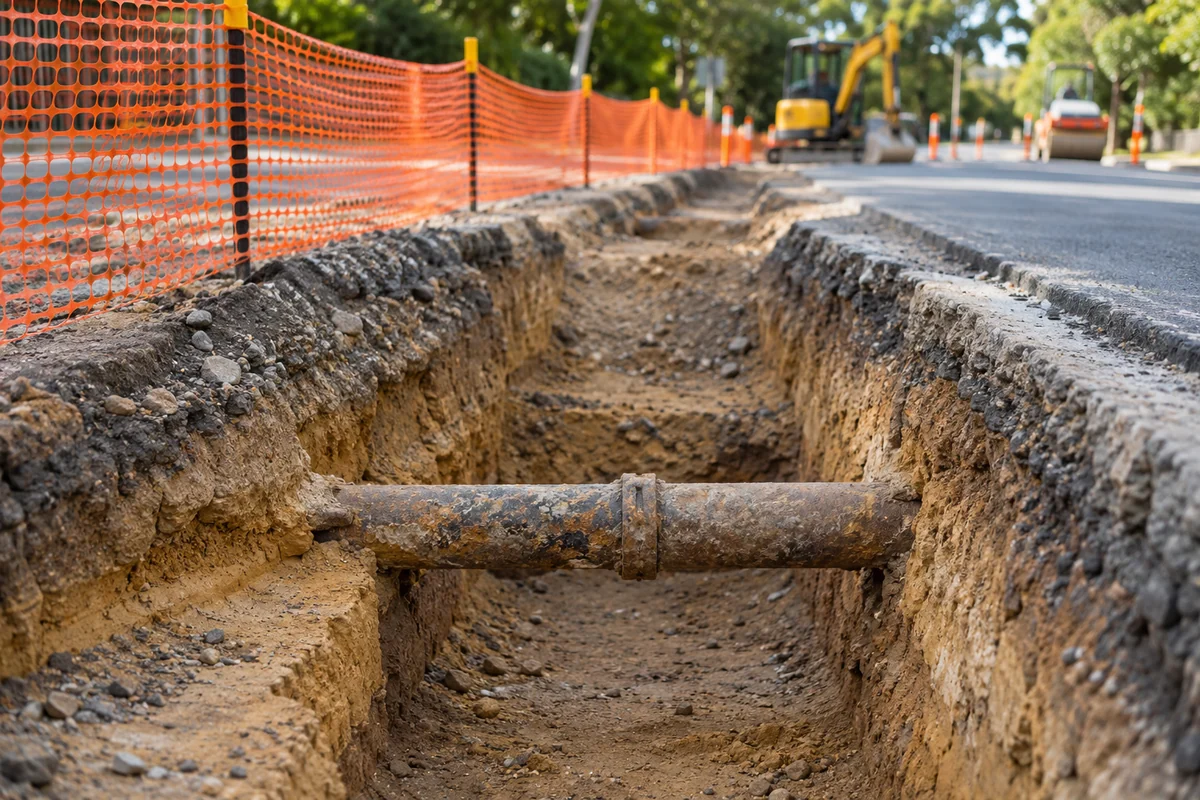
An exposed utility pipe crossing a roadworks trench — illustrative imagePayment recovered

Payment & variations

An unforeseen utility. A disputed variation.

We found the subcontractor’s notice from the day the pipe was discovered. The subcontractor received payment for the disputed variation.

Read case study
Act and time limits

The contract required notice within seven days. The subcontractor emailed on the day it found the pipe. For a statutory claim on your project, select its location below.

Queensland

Building Industry Fairness (Security of Payment) Act 2017 (Qld) · ss 76 and 79(2)(b)

  • Lower scheduled amount. Apply within 30 business days after receiving the payment schedule.
  • Scheduled amount unpaid. Apply within 20 business days after the payment due date.
  • No schedule and the claim was not paid in full. Apply within 30 business days after the later of the payment due date and the last day for giving a schedule. The schedule period is 15 business days after the respondent receives the claim, or the shorter period in the contract.

Read the Act

New South Wales

Building and Construction Industry Security of Payment Act 1999 (NSW) · s 17(2), (3)(c)–(e)

  • Lower scheduled amount. Apply within 10 business days after receiving the payment schedule.
  • Scheduled amount unpaid. Apply within 20 business days after the payment due date.
  • No schedule and the claim was not paid in full. Serve the notice of intention to apply within 20 business days after the payment due date. Allow 5 business days after the respondent receives the notice to provide a schedule, then apply within 10 business days after that period ends.

Read the Act

Victoria

Building and Construction Industry Security of Payment Act 2002 (Vic) · s 18(2), (3)(c)–(e)

  • Lower scheduled amount. Apply within 10 business days after receiving the payment schedule.
  • Scheduled amount unpaid. Apply within 10 business days after the payment due date.
  • No schedule and the claim was not paid in full. Give the notice of intention within 10 business days after the payment due date. Allow 5 business days from receipt for a schedule, then lodge within 5 business days after that period ends.
  • These periods are for payment claims under the amended scheme from 15 April 2026. Earlier claims can fall under the transitional rules.

Read the Act

Western Australia

Building and Construction Industry (Security of Payment) Act 2021 (WA) · s 28(1)–(4)

  • Contracts entered into on or after 1 August 2022. Apply within 20 business days after first becoming entitled to apply. A schedule for less than the amount claimed and failure to pay by the due date are distinct triggers.
  • No schedule and payment is overdue. Give written notice of intention within 20 business days after the payment due date. Allow 5 business days from receipt for a schedule before using the no-schedule route.
  • For contracts entered into before 1 August 2022, the Construction Contracts (Former Provisions) Act 2004 (WA), s 26(1), ordinarily requires an application within 90 business days after the payment dispute arises.

Read the Act

Northern Territory

Construction Contracts (Security of Payments) Act 2004 (NT) · ss 8, 10A and 28(1), (3)

  • For a payment dispute under Part 3, prepare and serve the application on the other contracting parties and the appropriate adjudicator or prescribed appointer within 65 working days after the dispute arises. The count starts the next day.
  • Identify the dispute under s 8 from the claim, the contract and the payment or rejection record. A qualifying high-value contract may provide a different adjudication process under s 10A.

Read the Act

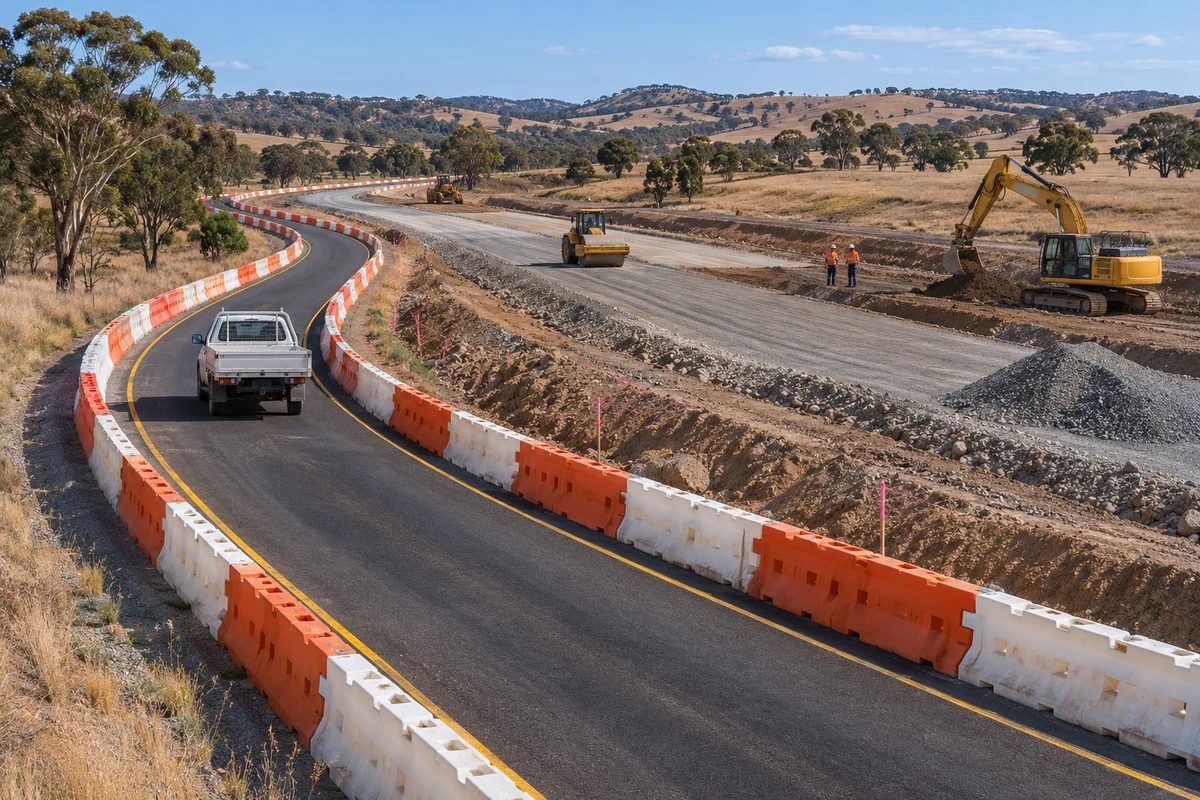
A temporary road detour beside highway reconstruction works — illustrative imagePayment recovered

Payment & variations

Eight detours. One clear pricing basis.

We identified which pricing document took priority. The subcontractor recovered the cost of all eight detours, including the two beyond its tender allowance.

Read case study
Act and time limits

Recovery turned on the priority of the schedule of rates. For a statutory claim, select the location of your project.

Queensland

Building Industry Fairness (Security of Payment) Act 2017 (Qld) · ss 76 and 79(2)(b)

  • Lower scheduled amount. Apply within 30 business days after receiving the payment schedule.
  • Scheduled amount unpaid. Apply within 20 business days after the payment due date.
  • No schedule and the claim was not paid in full. Apply within 30 business days after the later of the payment due date and the last day for giving a schedule. The schedule period is 15 business days after the respondent receives the claim, or the shorter period in the contract.

Read the Act

New South Wales

Building and Construction Industry Security of Payment Act 1999 (NSW) · s 17(2), (3)(c)–(e)

  • Lower scheduled amount. Apply within 10 business days after receiving the payment schedule.
  • Scheduled amount unpaid. Apply within 20 business days after the payment due date.
  • No schedule and the claim was not paid in full. Serve the notice of intention to apply within 20 business days after the payment due date. Allow 5 business days after the respondent receives the notice to provide a schedule, then apply within 10 business days after that period ends.

Read the Act

Victoria

Building and Construction Industry Security of Payment Act 2002 (Vic) · s 18(2), (3)(c)–(e)

  • Lower scheduled amount. Apply within 10 business days after receiving the payment schedule.
  • Scheduled amount unpaid. Apply within 10 business days after the payment due date.
  • No schedule and the claim was not paid in full. Give the notice of intention within 10 business days after the payment due date. Allow 5 business days from receipt for a schedule, then lodge within 5 business days after that period ends.
  • These periods are for payment claims under the amended scheme from 15 April 2026. Earlier claims can fall under the transitional rules.

Read the Act

Western Australia

Building and Construction Industry (Security of Payment) Act 2021 (WA) · s 28(1)–(4)

  • Contracts entered into on or after 1 August 2022. Apply within 20 business days after first becoming entitled to apply. A schedule for less than the amount claimed and failure to pay by the due date are distinct triggers.
  • No schedule and payment is overdue. Give written notice of intention within 20 business days after the payment due date. Allow 5 business days from receipt for a schedule before using the no-schedule route.
  • For contracts entered into before 1 August 2022, the Construction Contracts (Former Provisions) Act 2004 (WA), s 26(1), ordinarily requires an application within 90 business days after the payment dispute arises.

Read the Act

Northern Territory

Construction Contracts (Security of Payments) Act 2004 (NT) · ss 8, 10A and 28(1), (3)

  • For a payment dispute under Part 3, prepare and serve the application on the other contracting parties and the appropriate adjudicator or prescribed appointer within 65 working days after the dispute arises. The count starts the next day.
  • Identify the dispute under s 8 from the claim, the contract and the payment or rejection record. A qualifying high-value contract may provide a different adjudication process under s 10A.
Read the Act

Earthmoving equipment working across a remote red-earth construction site — illustrative imageProposal prepared

Time & delay

A faster programme. A costed proposal. (NT)

We helped the contractor prepare an acceleration offer of approximately $1.04 million.

Read case study
Act and time limits

The NT engagement produced an acceleration offer. Its preparation did not start an adjudication period. For a subsequent payment dispute in the Territory, the Act sets the following timetable.

Construction Contracts (Security of Payments) Act 2004 (NT) · ss 8, 10A and 28(1), (3)

  • For a payment dispute under Part 3, prepare and serve the application on the other contracting parties and the appropriate adjudicator or prescribed appointer within 65 working days after the dispute arises. The count starts the next day.
  • Identify the dispute under s 8 from the claim, the contract and the payment or rejection record. A qualifying high-value contract may provide a different adjudication process under s 10A.

Read the Act

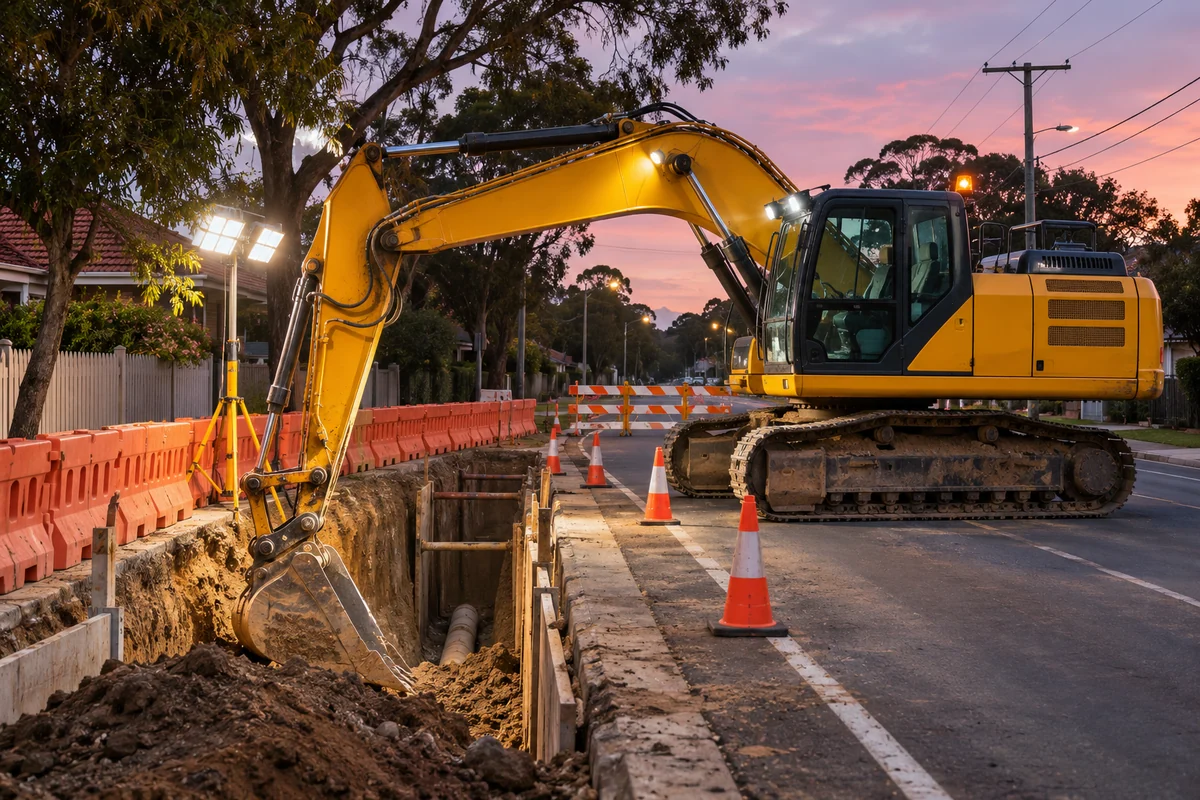
A large excavator beside a constrained road excavation at dusk — illustrative imageDefence prepared

Claim defence

The wrong excavator. A disputed charge.

We challenged the hire charges after a 25-tonne excavator was supplied in place of the agreed 14-tonne machine.

Read case study
Act and time limits

The recorded step was a response to a payment demand. For an application concerning plant hire on your project, select the jurisdiction below.

Queensland

Building Industry Fairness (Security of Payment) Act 2017 (Qld) · ss 76 and 79(2)(b)

  • Lower scheduled amount. Apply within 30 business days after receiving the payment schedule.
  • Scheduled amount unpaid. Apply within 20 business days after the payment due date.
  • No schedule and the claim was not paid in full. Apply within 30 business days after the later of the payment due date and the last day for giving a schedule. The schedule period is 15 business days after the respondent receives the claim, or the shorter period in the contract.

Read the Act

New South Wales

Building and Construction Industry Security of Payment Act 1999 (NSW) · s 17(2), (3)(c)–(e)

  • Lower scheduled amount. Apply within 10 business days after receiving the payment schedule.
  • Scheduled amount unpaid. Apply within 20 business days after the payment due date.
  • No schedule and the claim was not paid in full. Serve the notice of intention to apply within 20 business days after the payment due date. Allow 5 business days after the respondent receives the notice to provide a schedule, then apply within 10 business days after that period ends.

Read the Act

Victoria

Building and Construction Industry Security of Payment Act 2002 (Vic) · s 18(2), (3)(c)–(e)

  • Lower scheduled amount. Apply within 10 business days after receiving the payment schedule.
  • Scheduled amount unpaid. Apply within 10 business days after the payment due date.
  • No schedule and the claim was not paid in full. Give the notice of intention within 10 business days after the payment due date. Allow 5 business days from receipt for a schedule, then lodge within 5 business days after that period ends.
  • These periods are for payment claims under the amended scheme from 15 April 2026. Earlier claims can fall under the transitional rules.

Read the Act

Western Australia

Building and Construction Industry (Security of Payment) Act 2021 (WA) · s 28(1)–(4)

  • Contracts entered into on or after 1 August 2022. Apply within 20 business days after first becoming entitled to apply. A schedule for less than the amount claimed and failure to pay by the due date are distinct triggers.
  • No schedule and payment is overdue. Give written notice of intention within 20 business days after the payment due date. Allow 5 business days from receipt for a schedule before using the no-schedule route.
  • For contracts entered into before 1 August 2022, the Construction Contracts (Former Provisions) Act 2004 (WA), s 26(1), ordinarily requires an application within 90 business days after the payment dispute arises.

Read the Act

Northern Territory

Construction Contracts (Security of Payments) Act 2004 (NT) · ss 8, 10A and 28(1), (3)

  • For a payment dispute under Part 3, prepare and serve the application on the other contracting parties and the appropriate adjudicator or prescribed appointer within 65 working days after the dispute arises. The count starts the next day.
  • Identify the dispute under s 8 from the claim, the contract and the payment or rejection record. A qualifying high-value contract may provide a different adjudication process under s 10A.

Read the Act

Survey equipment overlooking cut-and-fill earthworks — illustrative imageClaim reviewed

Payment & variations

A bulking factor. A measurement dispute.

We found no basis under the contract for the extra bulking allowance in invoice 031.

Read case study
Act and time limits

The measurement issue was reviewed under the contract. For an adjudication of a disputed payment claim, select the jurisdiction of the work.

Queensland

Building Industry Fairness (Security of Payment) Act 2017 (Qld) · ss 76 and 79(2)(b)

  • Lower scheduled amount. Apply within 30 business days after receiving the payment schedule.
  • Scheduled amount unpaid. Apply within 20 business days after the payment due date.
  • No schedule and the claim was not paid in full. Apply within 30 business days after the later of the payment due date and the last day for giving a schedule. The schedule period is 15 business days after the respondent receives the claim, or the shorter period in the contract.

Read the Act

New South Wales

Building and Construction Industry Security of Payment Act 1999 (NSW) · s 17(2), (3)(c)–(e)

  • Lower scheduled amount. Apply within 10 business days after receiving the payment schedule.
  • Scheduled amount unpaid. Apply within 20 business days after the payment due date.
  • No schedule and the claim was not paid in full. Serve the notice of intention to apply within 20 business days after the payment due date. Allow 5 business days after the respondent receives the notice to provide a schedule, then apply within 10 business days after that period ends.

Read the Act

Victoria

Building and Construction Industry Security of Payment Act 2002 (Vic) · s 18(2), (3)(c)–(e)

  • Lower scheduled amount. Apply within 10 business days after receiving the payment schedule.
  • Scheduled amount unpaid. Apply within 10 business days after the payment due date.
  • No schedule and the claim was not paid in full. Give the notice of intention within 10 business days after the payment due date. Allow 5 business days from receipt for a schedule, then lodge within 5 business days after that period ends.
  • These periods are for payment claims under the amended scheme from 15 April 2026. Earlier claims can fall under the transitional rules.

Read the Act

Western Australia

Building and Construction Industry (Security of Payment) Act 2021 (WA) · s 28(1)–(4)

  • Contracts entered into on or after 1 August 2022. Apply within 20 business days after first becoming entitled to apply. A schedule for less than the amount claimed and failure to pay by the due date are distinct triggers.
  • No schedule and payment is overdue. Give written notice of intention within 20 business days after the payment due date. Allow 5 business days from receipt for a schedule before using the no-schedule route.
  • For contracts entered into before 1 August 2022, the Construction Contracts (Former Provisions) Act 2004 (WA), s 26(1), ordinarily requires an application within 90 business days after the payment dispute arises.

Read the Act

Northern Territory

Construction Contracts (Security of Payments) Act 2004 (NT) · ss 8, 10A and 28(1), (3)

  • For a payment dispute under Part 3, prepare and serve the application on the other contracting parties and the appropriate adjudicator or prescribed appointer within 65 working days after the dispute arises. The count starts the next day.
  • Identify the dispute under s 8 from the claim, the contract and the payment or rejection record. A qualifying high-value contract may provide a different adjudication process under s 10A.

Read the Act

A banded pricing schedule, calculator and engineering drawings — illustrative imageEntitlements reviewed

Payment & variations

A panel agreement. A pricing review.

We identified a misunderstanding about which rate band applied to the work under the panel agreement.

Read case study
Act and time limits

This engagement reviewed the panel agreement’s pricing method. For a statutory payment dispute, select the location of the work.

Queensland

Building Industry Fairness (Security of Payment) Act 2017 (Qld) · ss 76 and 79(2)(b)

  • Lower scheduled amount. Apply within 30 business days after receiving the payment schedule.
  • Scheduled amount unpaid. Apply within 20 business days after the payment due date.
  • No schedule and the claim was not paid in full. Apply within 30 business days after the later of the payment due date and the last day for giving a schedule. The schedule period is 15 business days after the respondent receives the claim, or the shorter period in the contract.

Read the Act

New South Wales

Building and Construction Industry Security of Payment Act 1999 (NSW) · s 17(2), (3)(c)–(e)

  • Lower scheduled amount. Apply within 10 business days after receiving the payment schedule.
  • Scheduled amount unpaid. Apply within 20 business days after the payment due date.
  • No schedule and the claim was not paid in full. Serve the notice of intention to apply within 20 business days after the payment due date. Allow 5 business days after the respondent receives the notice to provide a schedule, then apply within 10 business days after that period ends.

Read the Act

Victoria

Building and Construction Industry Security of Payment Act 2002 (Vic) · s 18(2), (3)(c)–(e)

  • Lower scheduled amount. Apply within 10 business days after receiving the payment schedule.
  • Scheduled amount unpaid. Apply within 10 business days after the payment due date.
  • No schedule and the claim was not paid in full. Give the notice of intention within 10 business days after the payment due date. Allow 5 business days from receipt for a schedule, then lodge within 5 business days after that period ends.
  • These periods are for payment claims under the amended scheme from 15 April 2026. Earlier claims can fall under the transitional rules.

Read the Act

Western Australia

Building and Construction Industry (Security of Payment) Act 2021 (WA) · s 28(1)–(4)

  • Contracts entered into on or after 1 August 2022. Apply within 20 business days after first becoming entitled to apply. A schedule for less than the amount claimed and failure to pay by the due date are distinct triggers.
  • No schedule and payment is overdue. Give written notice of intention within 20 business days after the payment due date. Allow 5 business days from receipt for a schedule before using the no-schedule route.
  • For contracts entered into before 1 August 2022, the Construction Contracts (Former Provisions) Act 2004 (WA), s 26(1), ordinarily requires an application within 90 business days after the payment dispute arises.

Read the Act

Northern Territory

Construction Contracts (Security of Payments) Act 2004 (NT) · ss 8, 10A and 28(1), (3)

  • For a payment dispute under Part 3, prepare and serve the application on the other contracting parties and the appropriate adjudicator or prescribed appointer within 65 working days after the dispute arises. The count starts the next day.
  • Identify the dispute under s 8 from the claim, the contract and the payment or rejection record. A qualifying high-value contract may provide a different adjudication process under s 10A.

Read the Act

A site notebook, inspection tablet and construction records — illustrative imageProcess implemented

Payment & variations

A clear notice process. Better project records. (NSW)

We prepared the notice and reporting process. The Sydney project manager confirmed that the team had implemented it and prepared its first report.

Read case study
Act and time limits

The project’s delay flowchart required a delay claim within 15 business days under clause 18.2. A statutory payment claim on a Sydney project has a separate timetable.

Building and Construction Industry Security of Payment Act 1999 (NSW) · s 17(2), (3)(c)–(e)

  • Lower scheduled amount. Apply within 10 business days after receiving the payment schedule.
  • Scheduled amount unpaid. Apply within 20 business days after the payment due date.
  • No schedule and the claim was not paid in full. Serve the notice of intention to apply within 20 business days after the payment due date. Allow 5 business days after the respondent receives the notice to provide a schedule, then apply within 10 business days after that period ends.

Read the Act

Bottles moving through stainless-steel filling and conveyor equipment — illustrative imageProject experience

Contract management

One plant. Many connected work packages.

We provided contract management support across the plant packages. The contractor delivered them to the agreed timetable and specifications.

Read case study
Act and time limits

This was contract management on a plant development. Select the project jurisdiction for a current payment claim.

Queensland

Building Industry Fairness (Security of Payment) Act 2017 (Qld) · ss 76 and 79(2)(b)

  • Lower scheduled amount. Apply within 30 business days after receiving the payment schedule.
  • Scheduled amount unpaid. Apply within 20 business days after the payment due date.
  • No schedule and the claim was not paid in full. Apply within 30 business days after the later of the payment due date and the last day for giving a schedule. The schedule period is 15 business days after the respondent receives the claim, or the shorter period in the contract.

Read the Act

New South Wales

Building and Construction Industry Security of Payment Act 1999 (NSW) · s 17(2), (3)(c)–(e)

  • Lower scheduled amount. Apply within 10 business days after receiving the payment schedule.
  • Scheduled amount unpaid. Apply within 20 business days after the payment due date.
  • No schedule and the claim was not paid in full. Serve the notice of intention to apply within 20 business days after the payment due date. Allow 5 business days after the respondent receives the notice to provide a schedule, then apply within 10 business days after that period ends.

Read the Act

Victoria

Building and Construction Industry Security of Payment Act 2002 (Vic) · s 18(2), (3)(c)–(e)

  • Lower scheduled amount. Apply within 10 business days after receiving the payment schedule.
  • Scheduled amount unpaid. Apply within 10 business days after the payment due date.
  • No schedule and the claim was not paid in full. Give the notice of intention within 10 business days after the payment due date. Allow 5 business days from receipt for a schedule, then lodge within 5 business days after that period ends.
  • These periods are for payment claims under the amended scheme from 15 April 2026. Earlier claims can fall under the transitional rules.

Read the Act

Western Australia

Building and Construction Industry (Security of Payment) Act 2021 (WA) · s 28(1)–(4)

  • Contracts entered into on or after 1 August 2022. Apply within 20 business days after first becoming entitled to apply. A schedule for less than the amount claimed and failure to pay by the due date are distinct triggers.
  • No schedule and payment is overdue. Give written notice of intention within 20 business days after the payment due date. Allow 5 business days from receipt for a schedule before using the no-schedule route.
  • For contracts entered into before 1 August 2022, the Construction Contracts (Former Provisions) Act 2004 (WA), s 26(1), ordinarily requires an application within 90 business days after the payment dispute arises.

Read the Act

Northern Territory

Construction Contracts (Security of Payments) Act 2004 (NT) · ss 8, 10A and 28(1), (3)

  • For a payment dispute under Part 3, prepare and serve the application on the other contracting parties and the appropriate adjudicator or prescribed appointer within 65 working days after the dispute arises. The count starts the next day.
  • Identify the dispute under s 8 from the claim, the contract and the payment or rejection record. A qualifying high-value contract may provide a different adjudication process under s 10A.

Read the Act

Cartons on warehouse conveyors between storage racks and loading docks — illustrative imageProject experience

Contract management

From storage to truck loading.

Our contract management work supported delivery of the distribution facility to the agreed timetable and specifications.

Read case study
Act and time limits

This was a distribution project engagement. Select the project jurisdiction for a current payment claim.

Queensland

Building Industry Fairness (Security of Payment) Act 2017 (Qld) · ss 76 and 79(2)(b)

  • Lower scheduled amount. Apply within 30 business days after receiving the payment schedule.
  • Scheduled amount unpaid. Apply within 20 business days after the payment due date.
  • No schedule and the claim was not paid in full. Apply within 30 business days after the later of the payment due date and the last day for giving a schedule. The schedule period is 15 business days after the respondent receives the claim, or the shorter period in the contract.

Read the Act

New South Wales

Building and Construction Industry Security of Payment Act 1999 (NSW) · s 17(2), (3)(c)–(e)

  • Lower scheduled amount. Apply within 10 business days after receiving the payment schedule.
  • Scheduled amount unpaid. Apply within 20 business days after the payment due date.
  • No schedule and the claim was not paid in full. Serve the notice of intention to apply within 20 business days after the payment due date. Allow 5 business days after the respondent receives the notice to provide a schedule, then apply within 10 business days after that period ends.

Read the Act

Victoria

Building and Construction Industry Security of Payment Act 2002 (Vic) · s 18(2), (3)(c)–(e)

  • Lower scheduled amount. Apply within 10 business days after receiving the payment schedule.
  • Scheduled amount unpaid. Apply within 10 business days after the payment due date.
  • No schedule and the claim was not paid in full. Give the notice of intention within 10 business days after the payment due date. Allow 5 business days from receipt for a schedule, then lodge within 5 business days after that period ends.
  • These periods are for payment claims under the amended scheme from 15 April 2026. Earlier claims can fall under the transitional rules.

Read the Act

Western Australia

Building and Construction Industry (Security of Payment) Act 2021 (WA) · s 28(1)–(4)

  • Contracts entered into on or after 1 August 2022. Apply within 20 business days after first becoming entitled to apply. A schedule for less than the amount claimed and failure to pay by the due date are distinct triggers.
  • No schedule and payment is overdue. Give written notice of intention within 20 business days after the payment due date. Allow 5 business days from receipt for a schedule before using the no-schedule route.
  • For contracts entered into before 1 August 2022, the Construction Contracts (Former Provisions) Act 2004 (WA), s 26(1), ordinarily requires an application within 90 business days after the payment dispute arises.

Read the Act

Northern Territory

Construction Contracts (Security of Payments) Act 2004 (NT) · ss 8, 10A and 28(1), (3)

  • For a payment dispute under Part 3, prepare and serve the application on the other contracting parties and the appropriate adjudicator or prescribed appointer within 65 working days after the dispute arises. The count starts the next day.
  • Identify the dispute under s 8 from the claim, the contract and the payment or rejection record. A qualifying high-value contract may provide a different adjudication process under s 10A.

Read the Act

Put the evidence to work.

Tell us about the project, the disputed amount and any approaching deadline.

Discuss your claim →